When we walk into a room that feels "right," we often credit the visual design, such as colors, textures, and layout. But there is a silent designer at work behind the scenes: acoustics.
At its core, acoustics shape how a space feels and functions. It is the difference between a collaborative hub that hums with energy and a chaotic hall where you can’t hear yourself think. In our design process, we view sound not as an afterthought, but as an essential layer of the design.
More Than Walls: Layering for Sound
The assessment process begins by looking at the "DNA" of a room: what activities will happen there, who will occupy it, and what are the raw architectural materials? Often, by the time we join a project, the base architectural elements such as flooring, ceilings, and walls are already in place.
Our job is to introduce strategic layers that absorb and block noise.
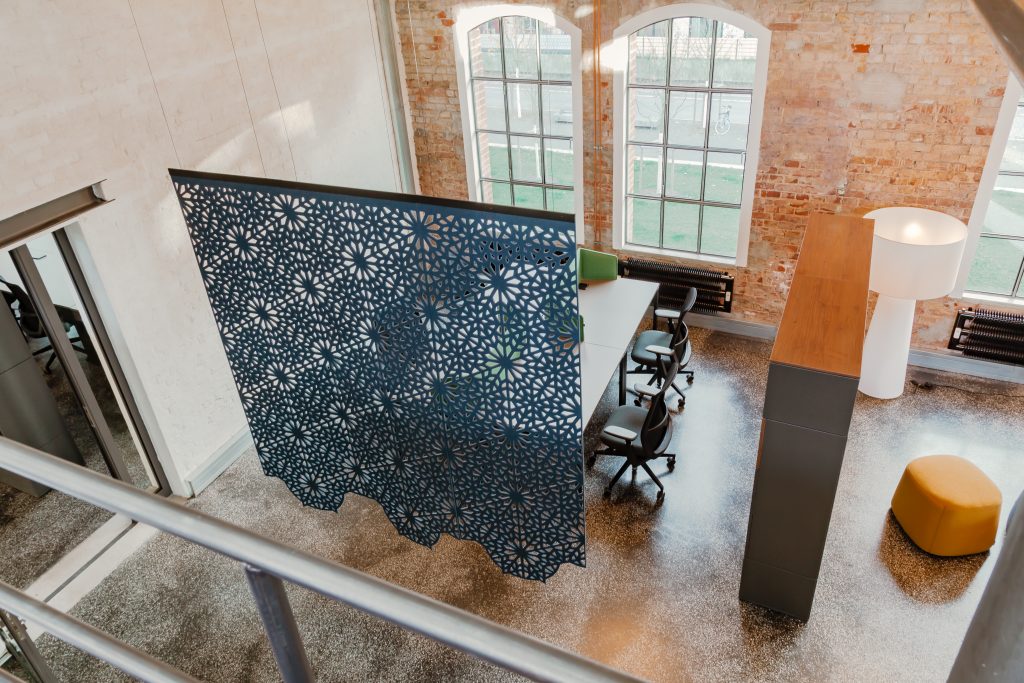
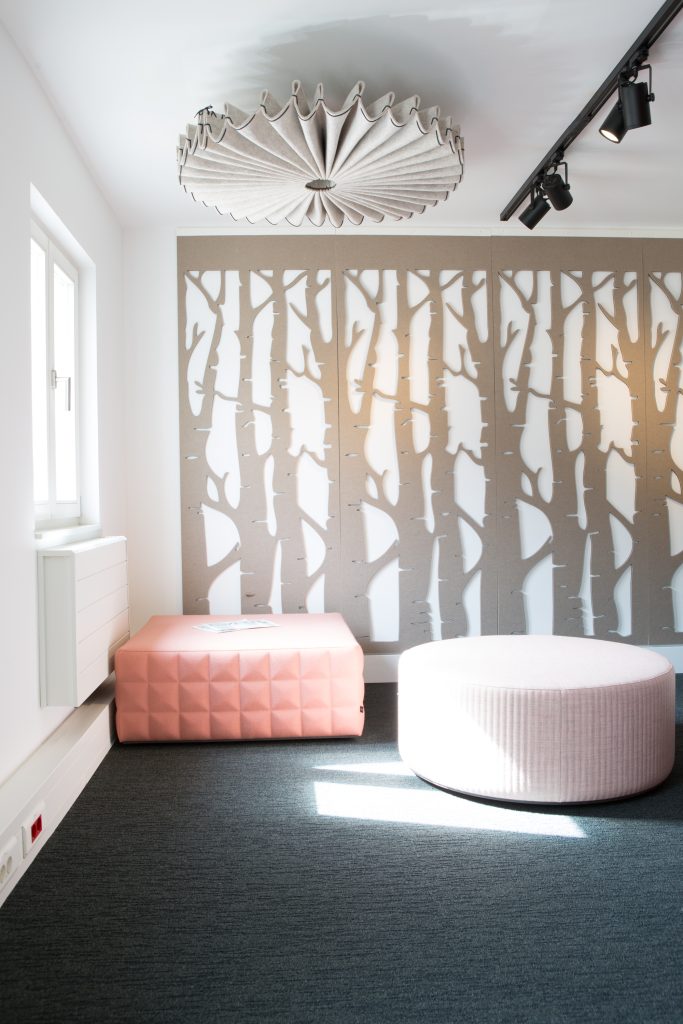
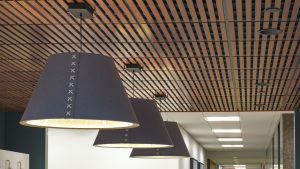
• Architectural Art: Wall sculptures, space dividers, and suspended ceiling panels.
• Soft Goods: Rugs, soft seating made of materials like felt, cotton, and foam.
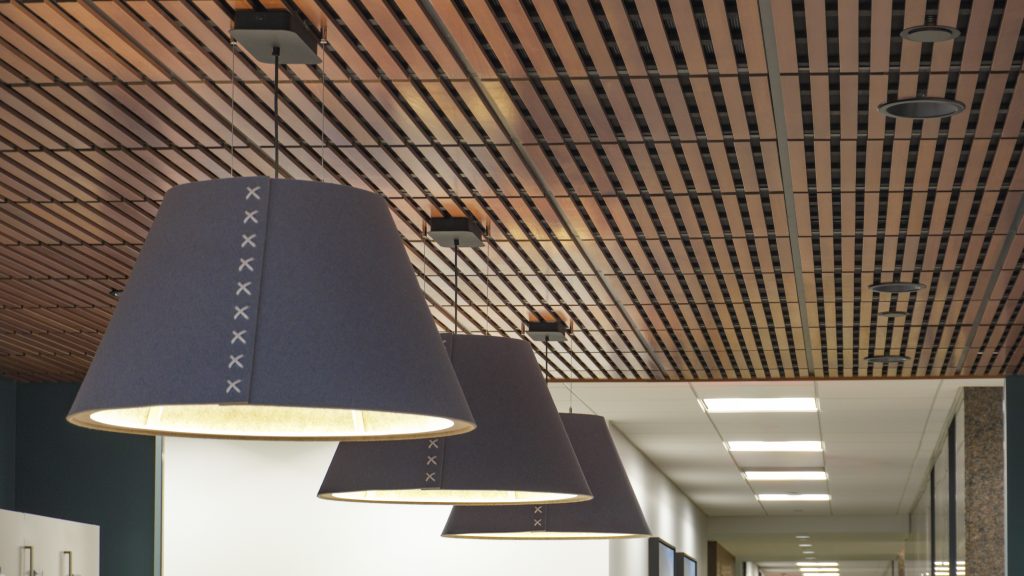
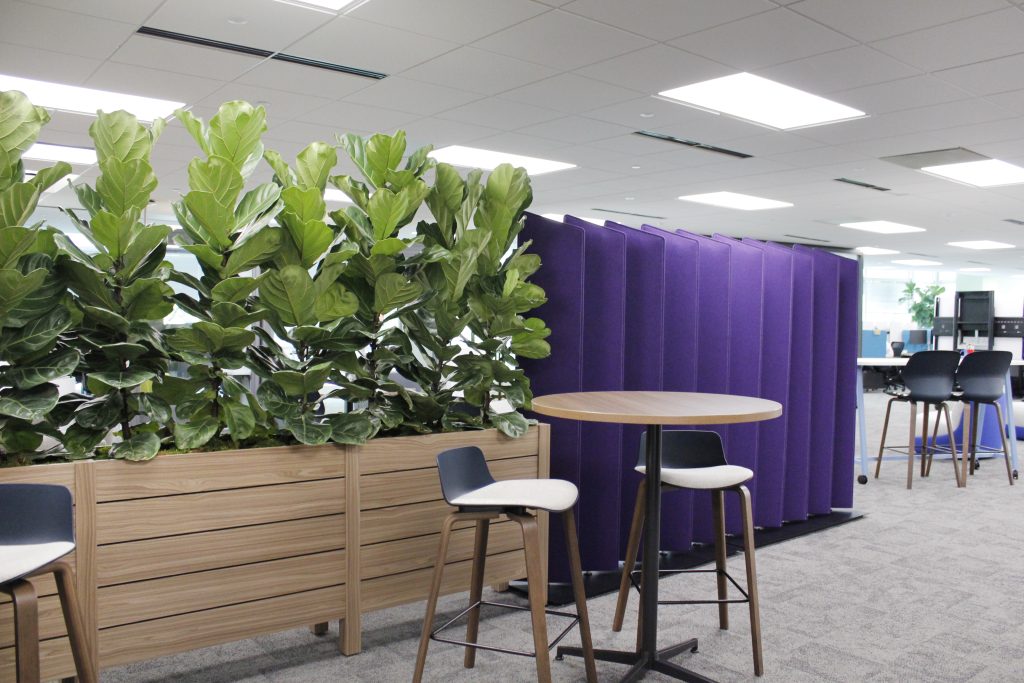
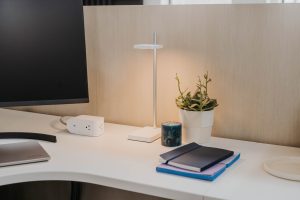
• Functional Decor: Even lighting fixtures and planters can now be specified with noise-reducing properties.
The Science of "Invisible" Privacy
One of the most powerful tools in our kit is sound masking. A system integrated into the ceiling grid that introduces a low, ambient background noise that improves privacy by making conversations around you less clear. It’s tuned based on a space layout, ceiling height, materials, and noise levels, then evenly distributed.
The goal isn't to make the room loud; it's to make it comfortable. We love demonstrating this in our showroom: we’ll turn the system off mid-conversation, and the room suddenly feels "exposed." Clients realize that without that ambient layer, you could hear a pin drop across the office—and every word of your neighbor's private call.
Productivity Through Peace
It is amazing how much easier it is to focus when your environment feels calm. We frequently hear from clients who feel frustrated or stressed because they can hear every meeting happening through the walls.
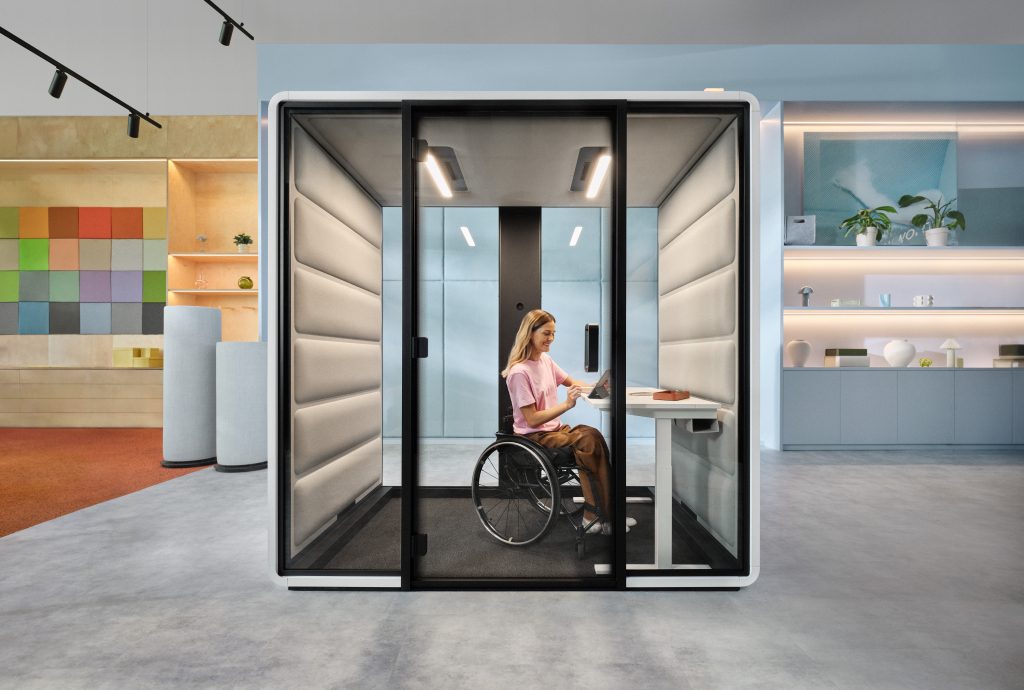
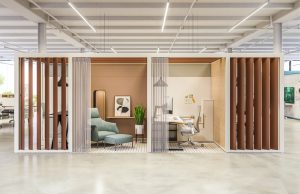
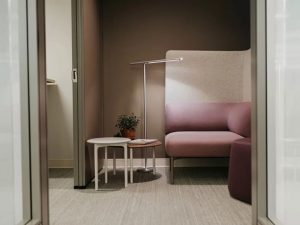
By using furniture to create "zones," we give employees a choice. Soft lounges, privacy panels, and booths don’t just break up a room—they diffuse sound. This allows for a flexible, open environment where a team can brainstorm in one corner while a solo worker finds deep focus in a Hush Booth just a few feet away.
We help people feel at ease in their environment by reducing noise and creating a sense of privacy, which helps the workspace become more productive, comfortable, and enjoyable to be in.
Aesthetics Without Compromise
There is a common misconception that acoustic products are bulky or "ugly." On the contrary, partners like BuzziSpace have proven that these solutions can bring incredible texture, dimension, and color to a room. You aren’t "adding a suspended ceiling panel"; you’re adding a piece of functional art.
The Bottom Line
Acoustics matter because they support comfort, clarity, and focus. In the modern workspace, where flexibility is king, sound control is the glue that holds a multi-functional office together.
Remember: Good acoustics should feel natural, not noticeable.