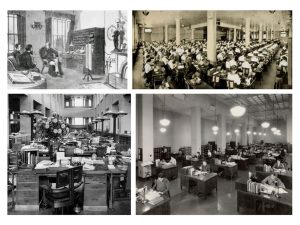
Ergonomics is the study of people’s interaction with their work environment, especially when concerned with making that environment physically, mentally, and organizationally safe, comfortable, and efficient. The history of ergonomics is deep, and there are artifacts like tools and chairs from ancient Greece that have ergonomic designs. UC Berkley School of Public Health has a great breakdown of ergonomic history https://www.coeh.berkeley.edu/history-of-ergonomics. Put simply, ergonomics is finding ways to work better. As a workplace planning and solutions firm and Best in Class Haworth dealer, P·O·E has a commitment to lead with ergonomics, always. One of our workplace designers, Eryn explains how she weaves the ergonomic thread throughout every one of her projects, and how she teaches our clients about the importance of having a healthy and efficient workplace.
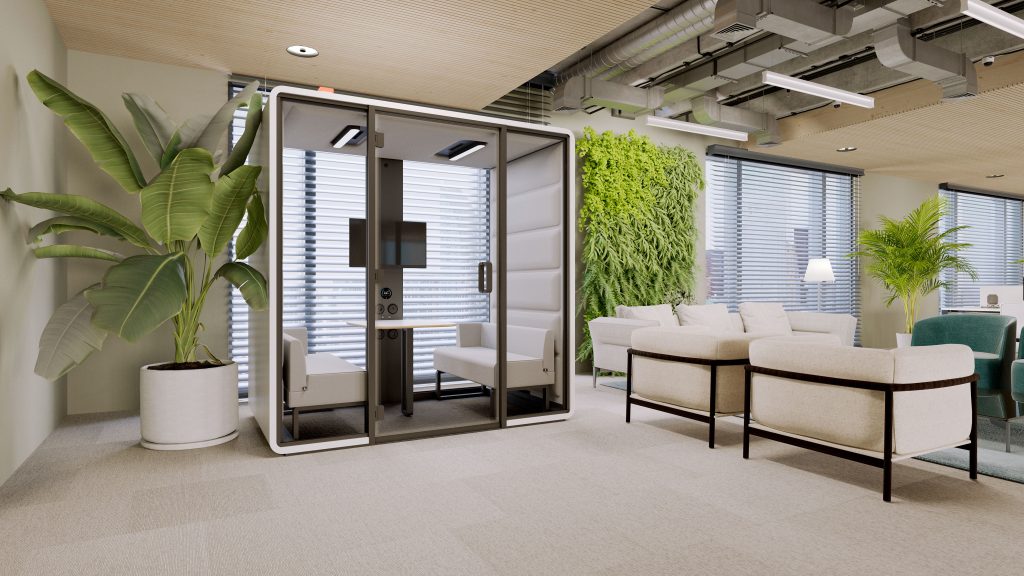
“Good ergonomics is about more than just good posture. It’s about empowering users with choice and control and supporting long-term wellbeing and success,” she says. In 2026 there is an incredible variety of policies around where employees work (in-office, hybrid, remote), which makes flexible spaces more necessary than ever. When starting a project, investing in adaptable ergonomic solutions early leads to better performance over time. We asked Eryn what her approach is to incorporate ergonomics into her designs from the start.
“I approach ergonomics as a planning driver, not an add-on. It starts with understanding how people do their best work – task types, duration, movement, collaboration modes, and other unique characteristics. From there, I build layouts and typicals that support these needs while providing adjustability, proper clearances, and ease of accessibility so that ergonomic solutions are integrated into the foundation of the design.”
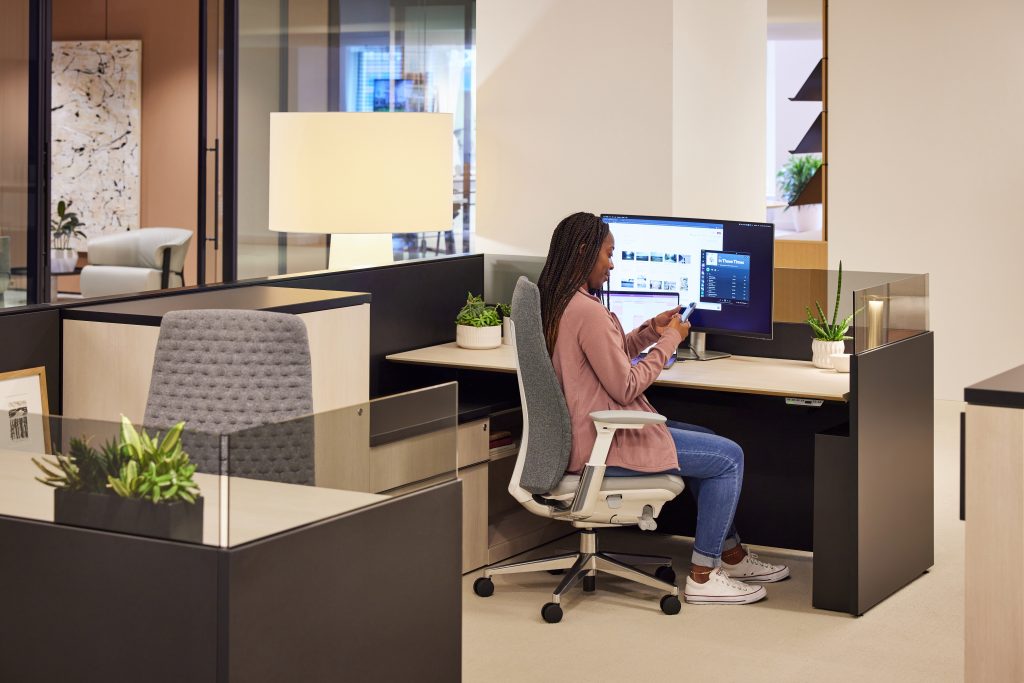
If ergonomics is built into the design at the very beginning, strategic decisions can be made regarding aesthetics and budget. Eryn says, “I look for solutions that integrate cleanly into the design language while making the most significant ergonomic impact. There are strong options at multiple price points, so it’s less about sacrificing design and more about making intentional selections.” Ergonomics is no longer a luxury; it is an expected part of the modern office space, and the modern office evolves quickly – spaces that aren’t designed to flex with changing needs can quickly become inefficient. Investing in adaptable ergonomic solutions early leads to better performance over time. When people feel good, they work better.
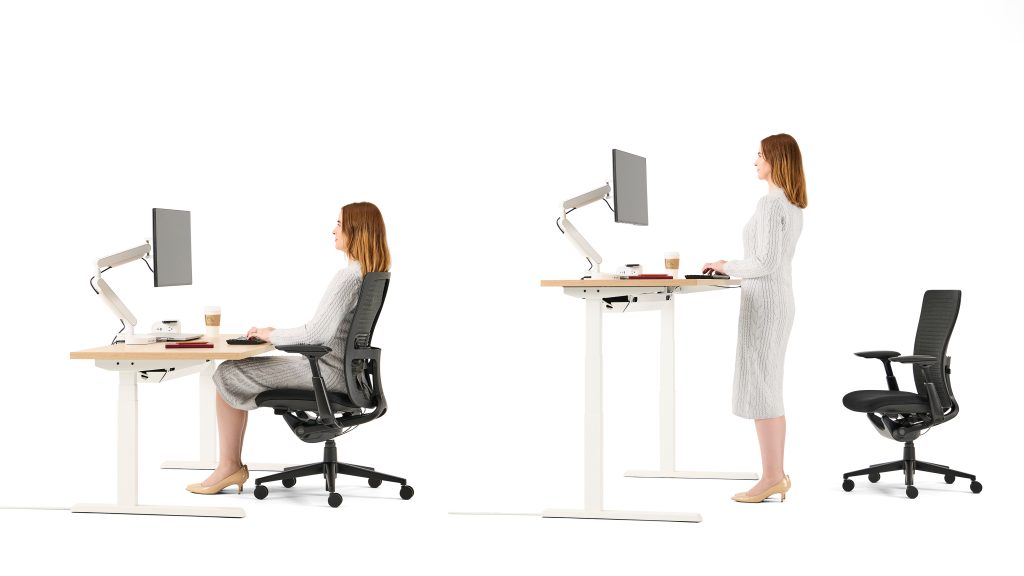
Eryn says, “The most common ergonomic mistake I see is designing workplaces without fully considering end-user needs. This often shows up as fixed desk heights, poorly positioned monitors, inadequate chair support, or lack of privacy – setups that don’t support how different people work, resulting in discomfort and decreased productivity. Effective solutions come from understanding individual differences, then designing for adjustability from the start so the space can adapt to the user—not the other way around.”
One way Eryn believes this mistake can be avoided is with early collaboration from your dealer designer. When dealer designers are involved during planning, they can help to identify ergonomic considerations, align product solutions and layouts with the planned built environment, and flag potential constraints. Access to showrooms, mockups, comparisons, and our overall expertise also makes a big difference in helping clients make informed ergonomic decisions.
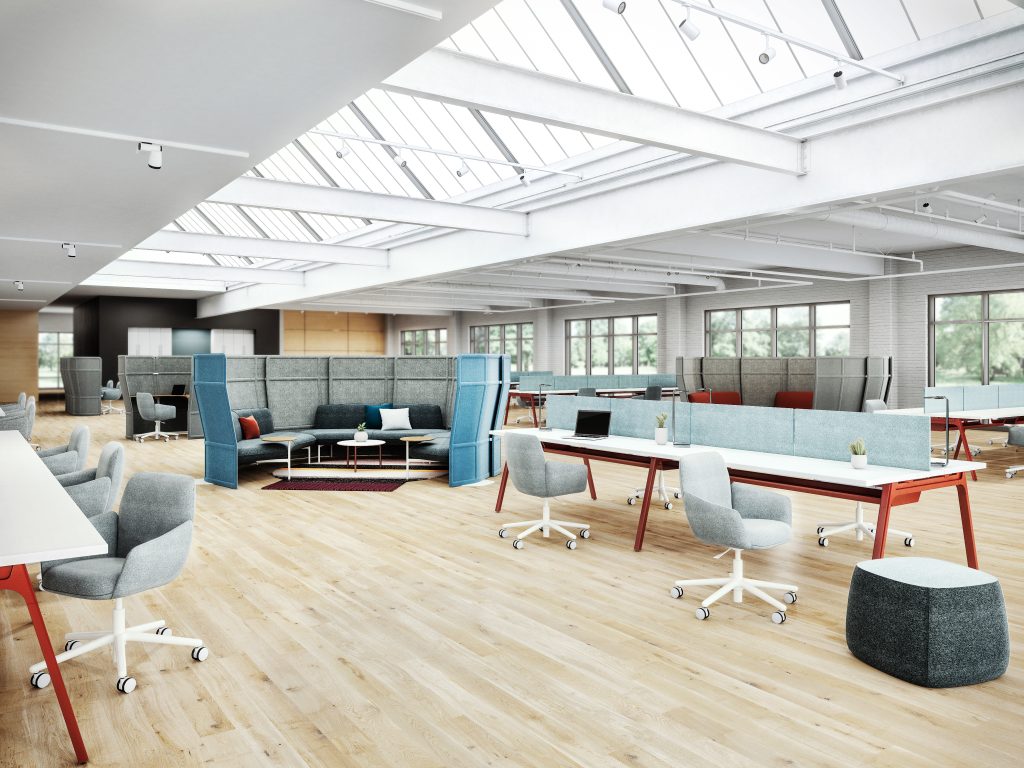
Interior Daily states in a recent article that the ergonomic furniture market is set to surge toward $45.8B by 2035. “Demand is being fueled by growing concerns around musculoskeletal disorders and chronic back pain, alongside the continued expansion of remote and hybrid work environments.” Employers who want to create a space where employees feel comfortable and productive – a space that is “commute worthy” – must incorporate ergonomics into the design.
Reach out to P·O·E today to understand how we can help you work better.