Many things set P·O·E above our competitors, and the most important is our ability to consider the entire design beyond the scope of “just” a furniture dealer. We have a team of talented, well-trained designers who understand spatial design and the invisible energy that shapes how people feel and function in a given area. Today, Tasmyn Scarl, who is currently enrolled in a lighting class at St. Louis Community College, gives us insight into the importance and impact of lighting.
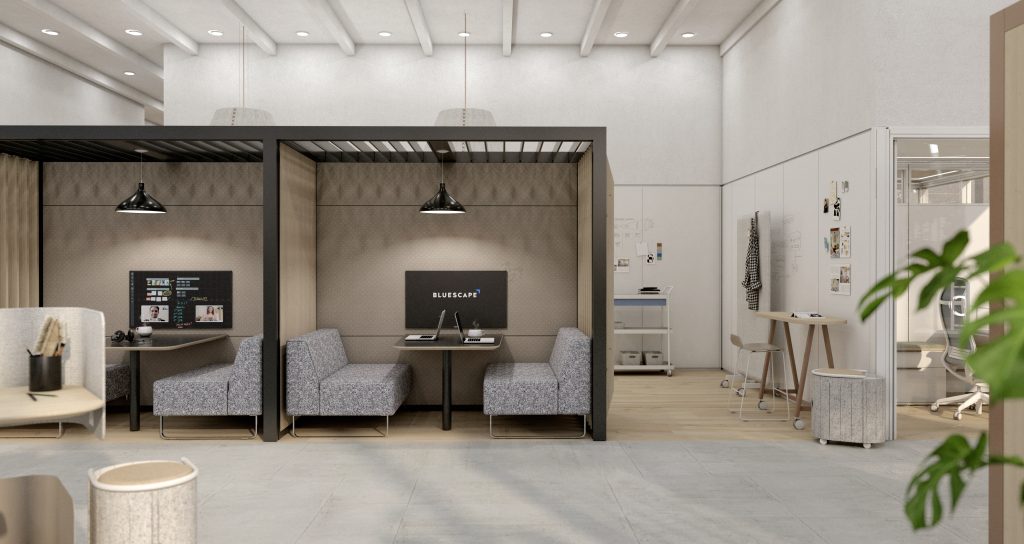
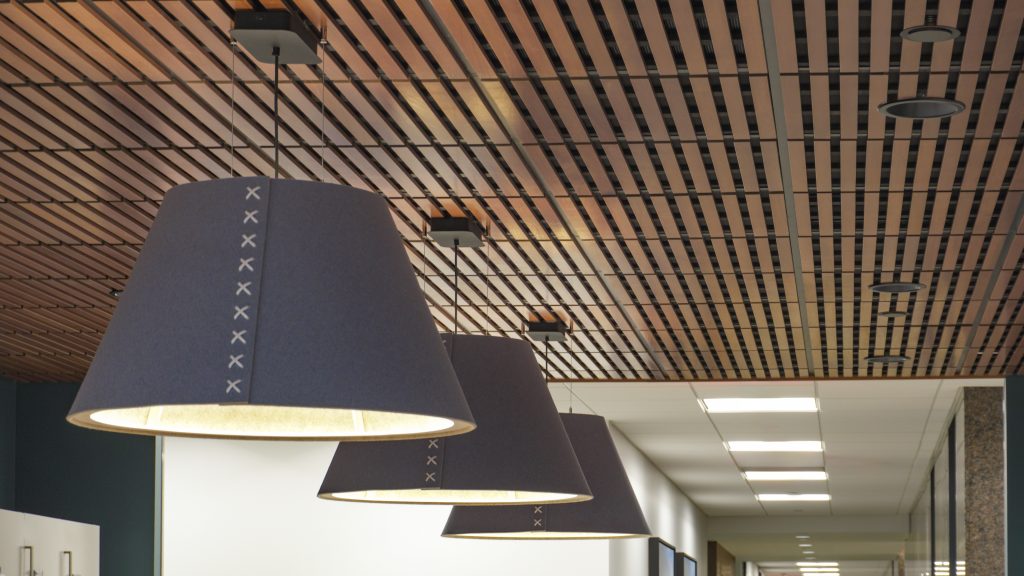
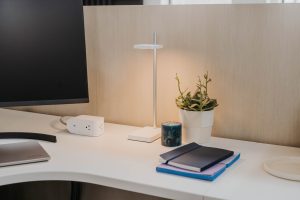
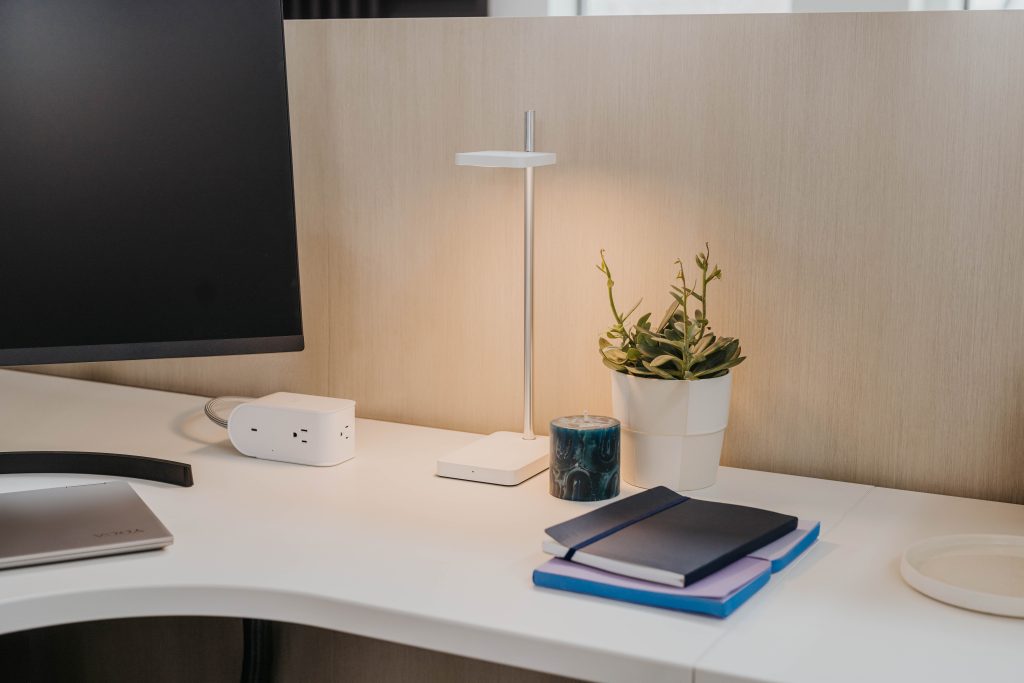
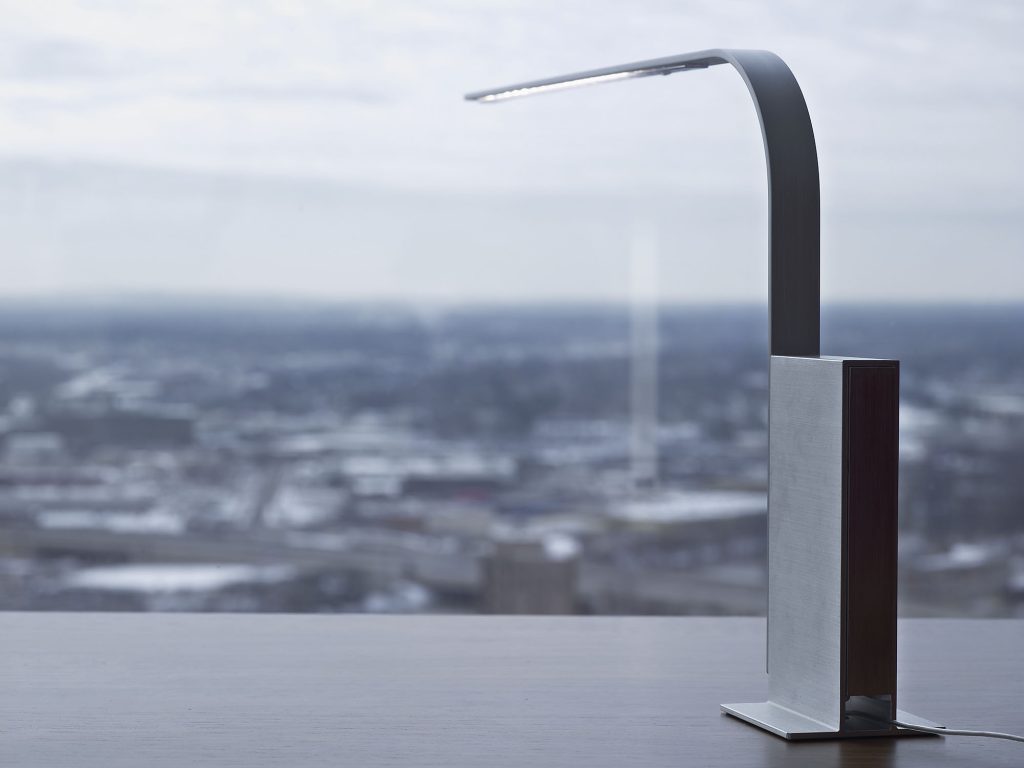
Enhancing focus and comfort in the workspace with light starts by understanding how people will use the space. The right color and temperature make a big difference. For an office environment, aim for about 4000K because it strikes that sweet spot between alertness and comfort. Layering light is also key. Use ambient light as a foundation, then add task lighting. People need concentrated light for detailed work, and it creates an incredible opportunity to add personality to something functional, which will elevate the whole design. It’s also important to balance aesthetics with functionality when selecting light fixtures. A beautiful fixture that creates a terrible glare will fail at enhancing the space.
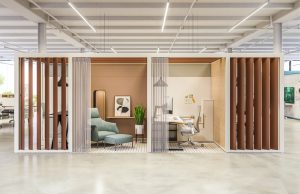
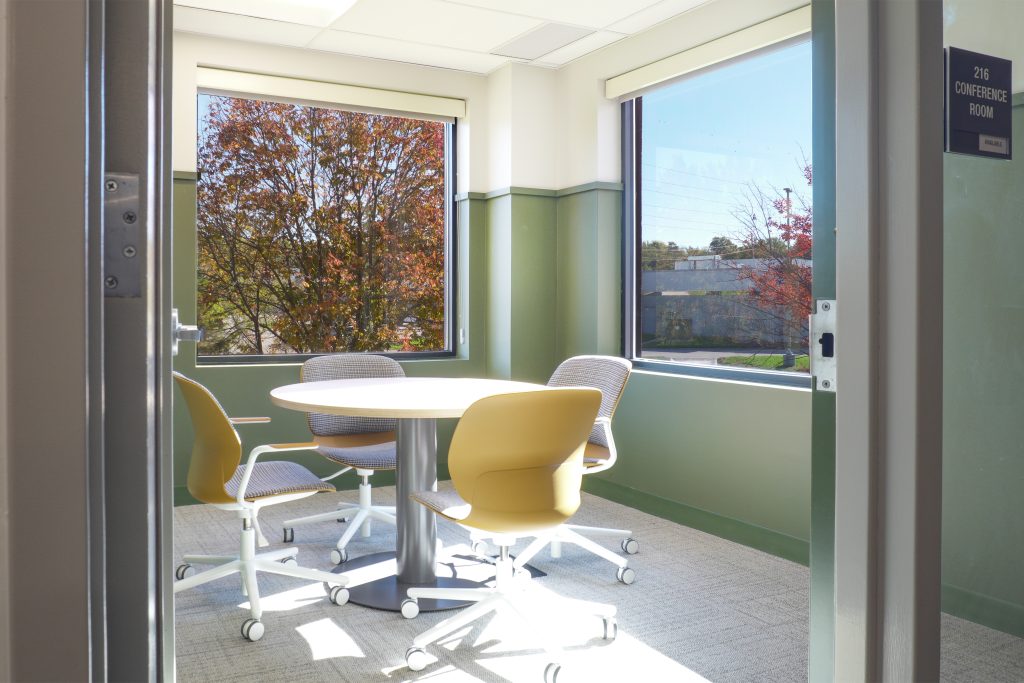
“Lighting is the foundation of any successful workspace design. It impacts everything from well-being, to productivity and retention. What I love about working in P·O·E’s Studio is that we are intentional about democratizing access to natural light. It’s not just a perk for private offices, but a baseline that everyone deserves. When space planning, think about furniture placement and lighting solutions that maximize and supplement natural light rather than compete with it.”
Engaging with a partner like P-O-E from the beginning of a project will maximize the benefits of what good lighting can do for the environment and the people who work there. We’re in a unique position because we’re thinking holistically about how all the elements work together. We work closely with our partners to understand power requirements, fixture placement that works with the floorplate, and how lighting can actually enhance furniture features rather than undermine them. Those relationships make all the difference.
“Lighting trends are evolving in the hybrid and flexible office space. Having the right level of ambient light allows for flexible work environments to meet the needs of different work styles that might be happening in the same space. Lighting needs differ for focus work than for video calls or conferences. Additionally, smart lighting with occupancy sensors is essential for spaces where utilization fluctuates. At P·O·E, we are helping our clients think through these layered, adaptable lighting strategies that support a hybrid workplace.”
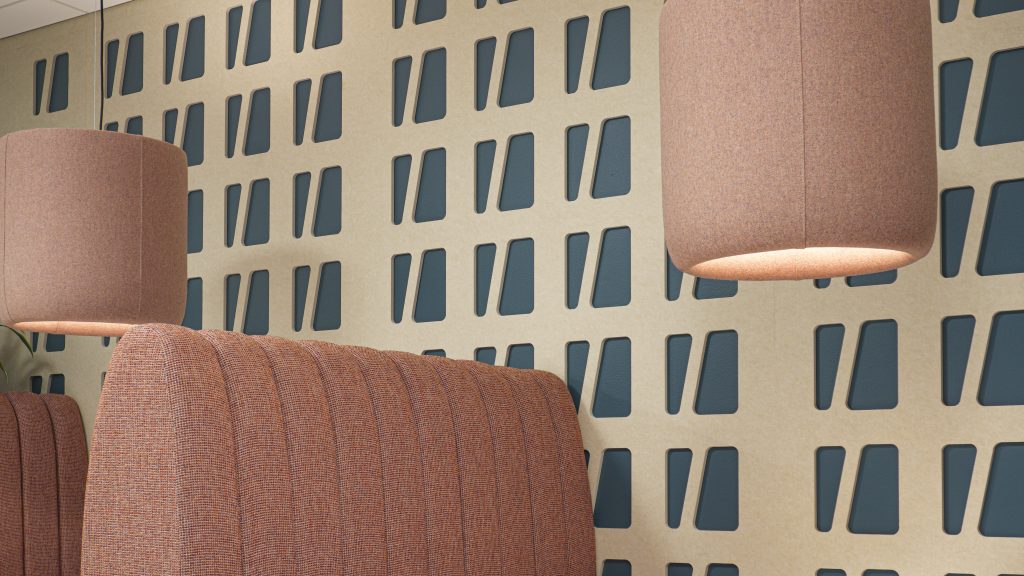
To sum it all up, Tasmyn says, “Lighting is successful when it supports the work without calling attention to itself – you feel the difference, not see the source.”
See the light and contact P·O·E for your next workplace project. We will make sure your workplace future is bright.